
Better Protection from Ants
Ant Control
Stop Ants at the Source
For Trails, Nests, and the Places They Keep Rebuilding
Ants are maddening because they make you feel like you missed something, even when you did not. The counter is clean. The sink is rinsed. The dog bowl is picked up. Then there they are again, coming out near the window, under the dishwasher, behind the toilet, along the pantry shelf, or across the garage like they found a route nobody in the house can see.
Our ant control service is built around that part of the problem. Where are they coming from? Where does the trail disappear? Are they chasing moisture, food, shade, mulch, a wall gap, or a nest sitting close to the foundation? The ants on the counter are the easy part to notice. The bigger issue is usually the route, the source and whatever keeps making the house worth coming back to.
Get A Quote today!
What Good Ant Protection Looks Like
Beyond Killing the Ants You See
Most ant problems do not begin where they finally irritate you. The counter is just where the trail becomes impossible to ignore. The real activity may be outside in the mulch, along the foundation, under a patio edge, around a window frame, behind the dishwasher, near a plumbing line, or inside a damp wall space. Ant control has to work backward from the line you can see, because the ants on the counter are usually just the part of the problem that made it into view.
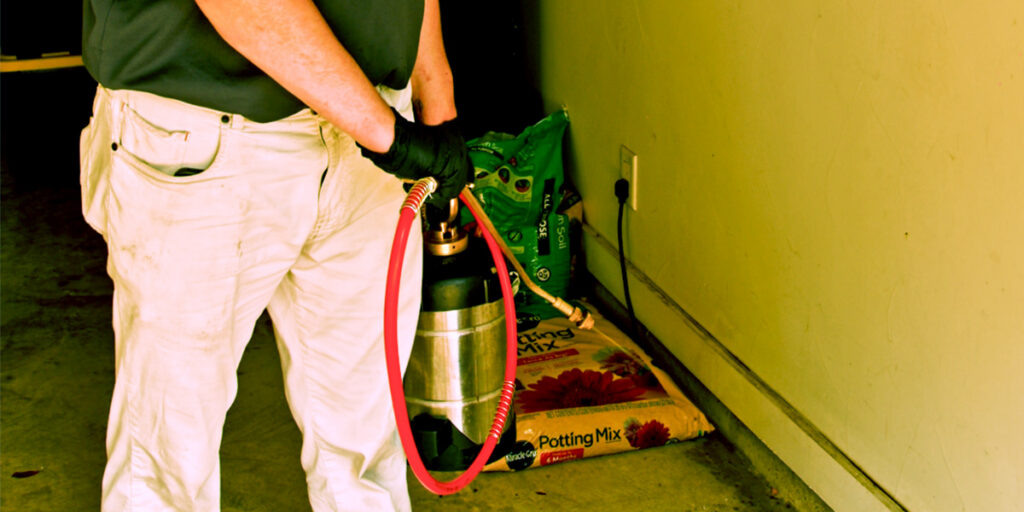
Kitchen and Pantry Trails
Ants in the kitchen are usually following something. A sticky spot under the trash can. Crumbs behind an appliance. A pantry item that is not sealed. A pet bowl. A tiny gap near a window or plumbing line. Cleaning helps, but it does not always stop the trail if ants are still finding a way in and the colony is still active.

Bathrooms and Moisture
Bathroom ants are usually not there for crumbs. They are often following water. A slow drip under the vanity, damp caulk line, wet towel, pipe gap, toilet supply line, condensation, or cabinet that stays humid can be enough to keep them coming back. That is why ants can show up in bathrooms, laundry rooms and utility areas that do not seem like they should have an ant problem at all.
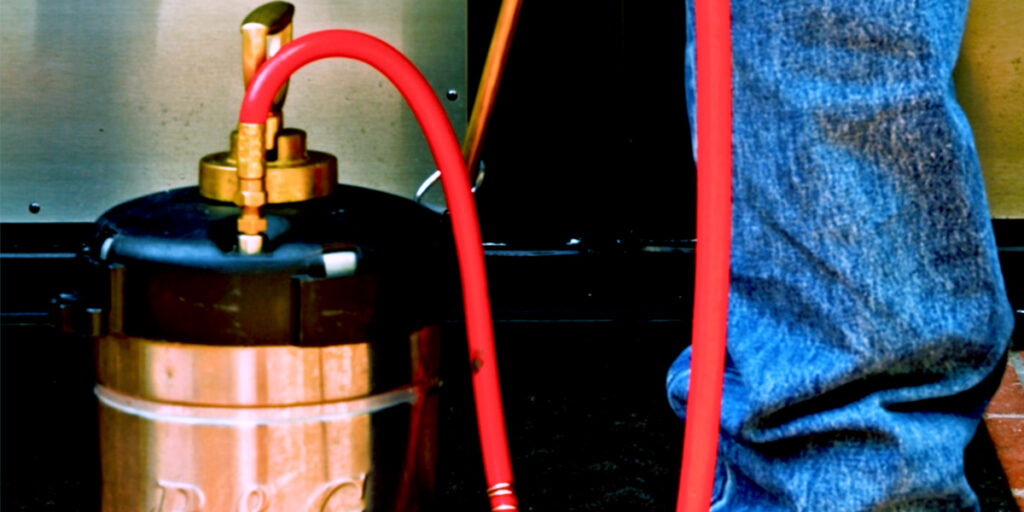
Foundation and Entry Points
Ants use the small edges of a house well. Cracks along the slab. Gaps around doors. Window frames. Weep holes. Utility openings. Spaces where siding, brick, concrete, or trim meet. These areas matter because ants can move from outside activity to inside trails without needing much room at all.

Outdoor Nests and Yard Activity
A lot of ant issues begin outside before they ever show up indoors. Mulch beds, soil along the foundation, tree roots, pavers, irrigation areas, flower beds and cracks in concrete can all support activity close to the home. If those exterior areas are ignored, ants can keep pushing back toward the house.
Helpful Things Before You Book
Common Ant Questions
Why do ants keep coming back after I spray them?
Most sprays only deal with the ants you see at that moment. If the colony, trail, entry point, or food and moisture source is still active, the problem can return in the same spot or shift to another area of the house.
Why are ants showing up in my kitchen?
Kitchens give ants a lot to work with. Crumbs, sugar, grease, trash, pet food, pantry items, water near the sink and small openings around windows or plumbing can all bring ants into the same area over and over.
Can ants be a problem in clean homes?
Yes. A clean home can still have ant activity. Ants may be coming from an outdoor nest, following moisture, entering through a small gap, or responding to weather changes. Cleanliness helps, but it does not fix every reason ants get inside.
Do you treat inside and outside for ants?
Yes, when both areas need attention. Ant problems often involve interior trails and exterior activity at the same time. We look at what is happening inside, then check the outside areas that may be helping the issue continue.
How often should ant control be done?
That depends on the property and the level of activity. Some ant issues need direct treatment, while many homes benefit from routine pest control because ants can keep moving with the weather, landscaping, moisture and season changes.
Care That Goes Further
Ant control has to pay attention to how ants actually move around a property. They are not just appearing on a counter out of nowhere. They may be trailing from a nest outside, slipping through a window frame, feeding near a trash area, finding water under a sink, or using cracks around the foundation. If those areas are missed, the visible ants may slow down for a little while, but the problem keeps coming back.
Trails and Traffic
Follow the Line Back to the Source
The trail matters. Ants moving across a counter, along a baseboard, through a pantry, around a window, or across the patio are showing part of the route. That line can help point to where they are getting in, what they are feeding on, or where activity is sitting outside. The ants in front of you are not random. They are following a path that usually leads back to something.
Food and Water Sources
Take Away What Keeps Them Coming
Ants can stay busy on almost nothing. A sticky rim on a jelly jar, crumbs under the range, pet food against the wall, residue in the trash cabinet, water near the sink, a damp vanity, or a slow leak under a pipe can keep them coming back. The source does not have to be obvious. It just has to be consistent.
Exterior Nesting Areas
Handle the Problem Outside First
Mulch, soil, pavers, landscape beds, tree roots, cracks in concrete and irrigation zones can all support ant activity outside the home. Treating those areas helps reduce the pressure before ants turn the kitchen, bathroom, patio, or garage into the next place they show up.
Entry Points
Close the Gaps That Let Them In
Ants do not need a dramatic opening to get inside. A window frame gap, door threshold, weep hole, slab crack, pipe opening, or utility gap can be enough. Ant control works better when those access points are part of the service, not when everything is focused on the room where the trail happened to show up.