
Protection for Working Spaces
Commercial Pest Control
Pest Control Before It Shows
For the Pest Issues Your Customers Should Never Notice
Commercial pest problems are different because the stakes are different. At home, pests are frustrating. In a business, they can cost you something. A roach in a customer area can turn into a review. Ants in a breakroom can turn into staff complaints. Rodents near stored materials can damage product, packaging, wiring, or equipment. Wasps near a loading area can slow work down and put employees on edge. Even a small pest issue can create questions about cleanliness, maintenance, and ownership commitment to cleanliness.
Our commercial pest control service is built to address these real concerns. We look at where pests are getting in, where they are finding food, water, shelter, or traffic patterns that help them keep moving. We also pay attention to the areas where pest activity would create the most trouble, like customer spaces, employee areas, storage rooms, kitchens, dumpsters, loading zones and entry points. The goal is not to treat a business like a larger version of a home. It is to protect the parts of the property where a pest problem can affect operations, reputation, inventory, employees and customers.
Get A Quote today!
What Good Commercial Pest Protection Looks Like
Beyond a Basic Spray Visit
Commercial pest control has to account for more moving parts than residential service. Deliveries come in. Doors stay open. Employees use breakrooms. Customers move through common areas. Dumpsters, storage areas, floor drains, landscaping, exterior lighting and loading zones all create different pest concerns. By the time someone sees pest activity inside, the issue may have already been building around one of those areas for a while.
Entry Points and Access Areas
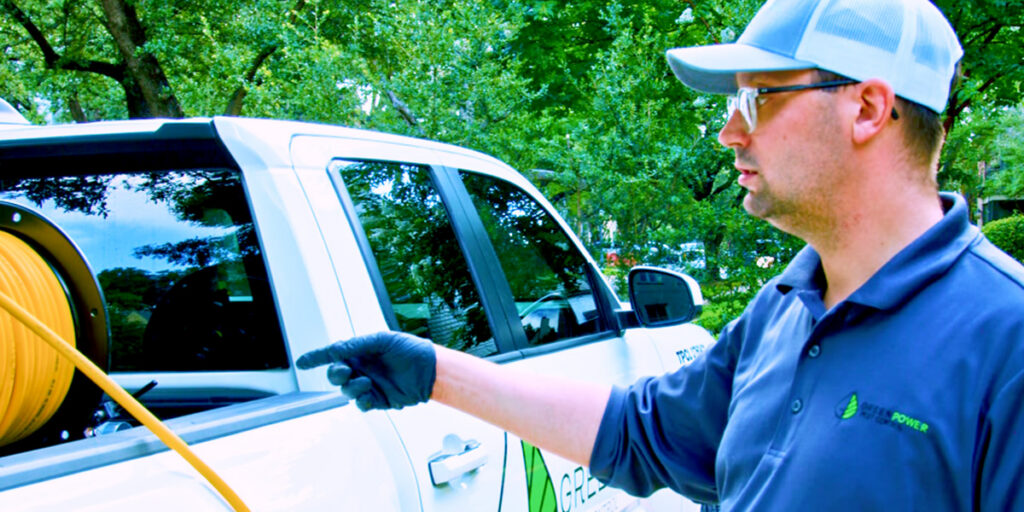
Pests use the parts of a building most people walk past without thinking about. Gaps near doors. Cracks along the slab. Pipe openings. Utility penetrations. Loading dock edges. Back entrances. Warehouse doors. These spots matter because they decide how easily outside activity can become an indoor problem.

Interior Work Areas
Interior work areas cannot all be treated the same. A breakroom with crumbs, coffee spills and employee lunches has different concerns than a front office, restroom, storage room, service counter, kitchen, or utility closet. Good commercial pest control has to work with how the building is actually used, so service protects the busy areas without creating a hassle for the people trying to run the business.
Exterior Pressure
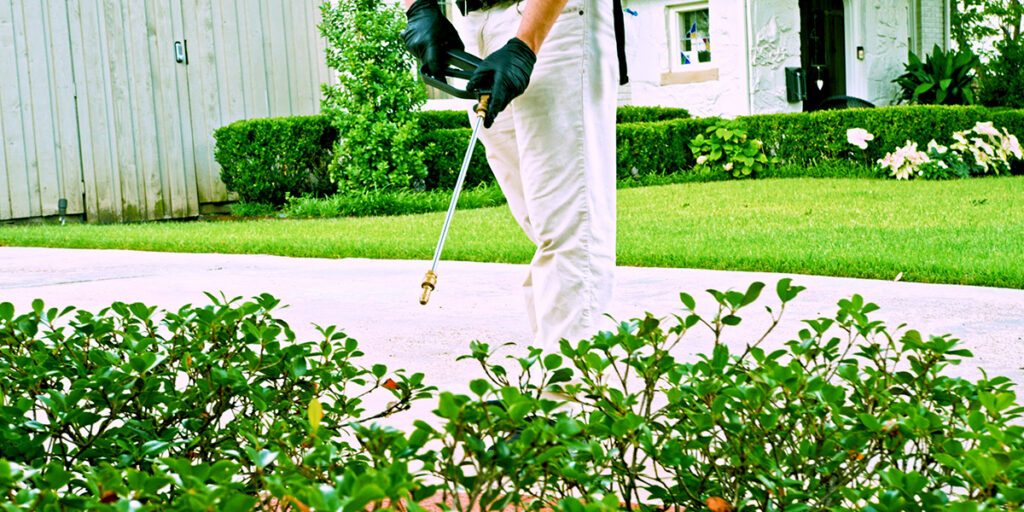
A lot of commercial pest activity starts outside the building, well before anything ever makes it inside. Dumpsters, drains, standing water, landscaping, mulch, lights, nearby properties and trash areas can all keep pests close to the door. If those exterior conditions are ignored, the same issues can keep pushing back toward the doors no matter how often the inside gets treated.
Routine Service
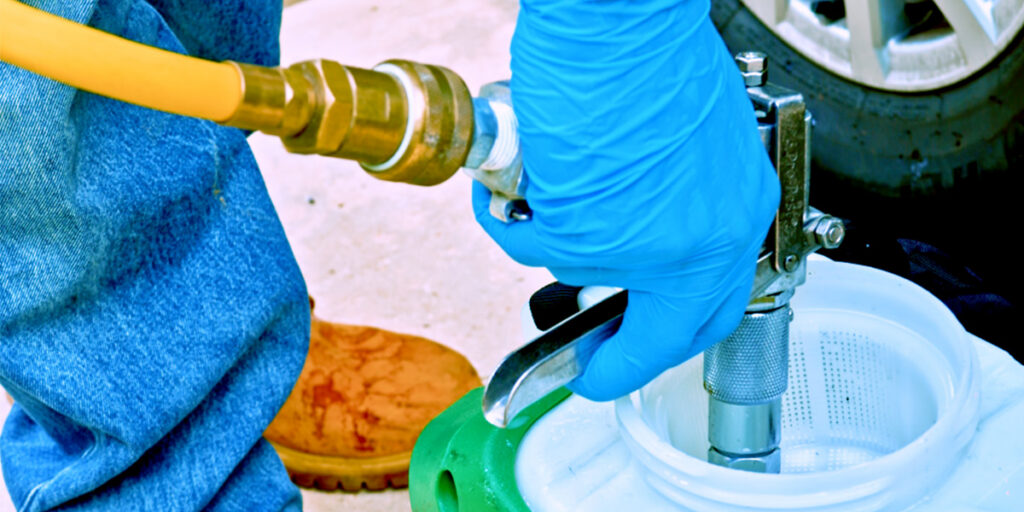
Commercial pest control usually works best on a regular schedule. Businesses do not need a surprise pest issue turning into a customer-facing problem before anyone acts. Routine service helps keep activity down, catches new concerns earlier and gives the property a more consistent layer of protection through weather changes, busy seasons and normal building use.
Helpful Things Before You Book
Common Commercial
Pest Questions
What types of businesses need commercial pest control?
Most businesses can benefit from routine pest control, especially offices, retail spaces, warehouses, restaurants, service businesses, medical offices, schools, churches, storage facilities and multi-use commercial properties.
Can service be scheduled around business hours?
Yes. Depending on the property and the issue, service can often be planned around customer traffic, employee schedules, sensitive areas, or times when the building is less active.
Do you treat inside and outside?
Yes. Many commercial pest issues start outside, but interior areas may also need attention if pests are already showing up or if certain areas have higher risk. The service plan depends on the building, pest activity, and business needs.
Why do pests keep showing up near doors or entryways?
Entrances get a lot of pest activity because they have almost everything pests can use. Light, movement, small gaps, thresholds, landscaping, moisture and doors opening throughout the day. Even when the inside of the building is clean, pests can keep showing up if the doorway area is still giving them a way in or a reason to stay close.
How often should commercial pest control be done?
It depends on the business, the building and how much pest pressure is around the property. Most commercial spaces are better off with routine service because waiting until someone sees a pest usually means the issue has already had time to build.
Care That Goes Further
Commercial pest control cannot stop at the room where someone noticed a pest. By then, the issue may have started somewhere else entirely. A gap under a back door. A drain that stays damp. A storage corner that does not get moved often. A dumpster area too close to the building. A loading door that opens all day. A utility opening pests are using like a side entrance. If those areas are ignored, the visible problem may quiet down for a little while, but the property is still giving pests what they need.
Customer-Facing Areas
Protect What Customers See First
Lobbies, waiting rooms, storefronts, dining areas, showrooms and front offices carry a different kind of risk, customers. They don’t need to understand where the pest came from, they just know they saw it. One bug in the wrong place can make a clean business feel careless, even when the real issue started near a door, drain, wall void, or back-of-house area.
Back-of-House Areas
Catch It Before It Spreads
Back-of-house areas are where problems can sit for a while before anyone up front knows. Storage rooms, utility closets, kitchens, breakrooms, restrooms and maintenance areas are usually where pest issues get time to build. Food residue, damp spots, floor drains, cardboard, gaps around pipes and cluttered corners can all give pests a place to stay active. These rooms may not be the first thing customers see, but they can be where the problem starts spreading.
Loading and Service Zones
Lock Down the High-Traffic Doors
Loading docks, back doors, warehouse openings, trash areas and service entrances get a lot of movement. Doors open. Deliveries come in. Boxes, pallets and materials move through. These are some of the easiest places for pests to get close to the building, and should be among the first items on your list of treatment.
Exterior Maintenance Points
Stop the Pressure Outside the Walls
Commercial properties usually have more outside pest activity than people realize. Mulch beds that hold moisture. Lights that pull insects toward the building. Dumpsters, drains, parking lot edges, overgrown landscaping and nearby businesses that add their own pest pressure. Keeping those areas on the service plan helps cut down the activity before it works its way inside.