
Keep Roaches From Settling In
Roach Control
No Room For Roaches
For Kitchens, Bathrooms, Garages, and the Places Roaches Hide
Roaches hit a different nerve than most pests. You flip on the kitchen light and see one run under the fridge. One shows up near the bathroom vanity. Another is dead in the garage, which somehow does not make you feel better because now you are wondering where it came from. Roaches make people question the parts of the house they thought were clean, especially when they keep showing up near sinks, appliances, cabinets, drains, trash areas, or baseboards.
Our roach control service is built around that uncomfortable part of the problem. Where are they hiding? What are they feeding on? Are they finding moisture under a sink, warmth behind an appliance, cardboard in the garage, or a gap around a pipe? The roach you see is usually just the part that came out into the open. The real issue is often tucked behind, under, or inside something you do not move every day.
Get A Quote today!
What Good Roach Protection Looks Like
Beyond the Roach You Saw
Most roach problems do not start in the middle of the floor. That is just where one finally got caught out in the open. The real activity may be behind the refrigerator, under the dishwasher, inside a cabinet gap, around a floor drain, near a plumbing line, in the garage, or along an exterior opening. Roach control has to look past the one you saw, because the hiding places are usually where the problem is getting time to build.
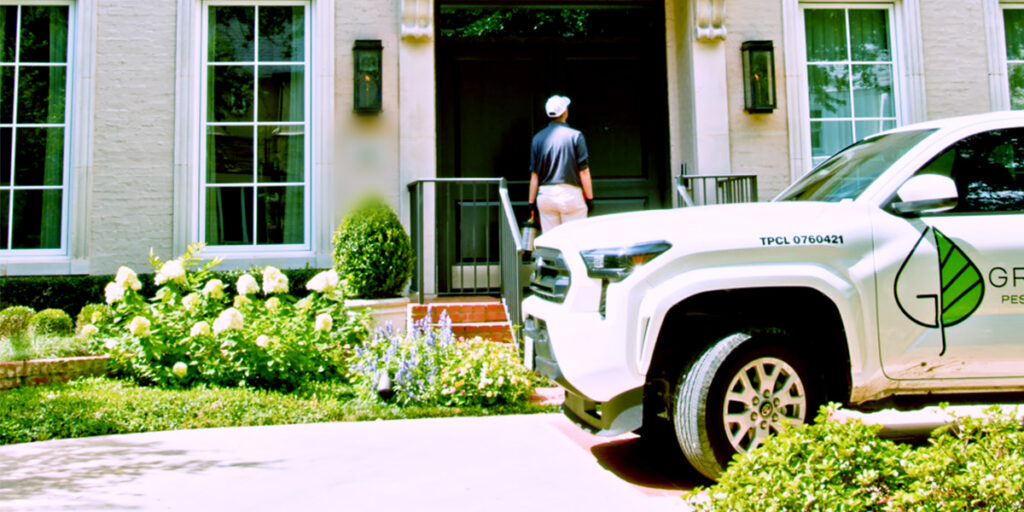
Kitchen and Appliance Areas
Kitchens give roaches a lot to work with. Grease near the stove. Crumbs under the toaster. Food residue around the trash can. Water by the sink. Warmth behind the fridge or dishwasher. These are the spots people do not always see during normal cleaning, and they can keep roaches active even when the kitchen looks fine from the surface.
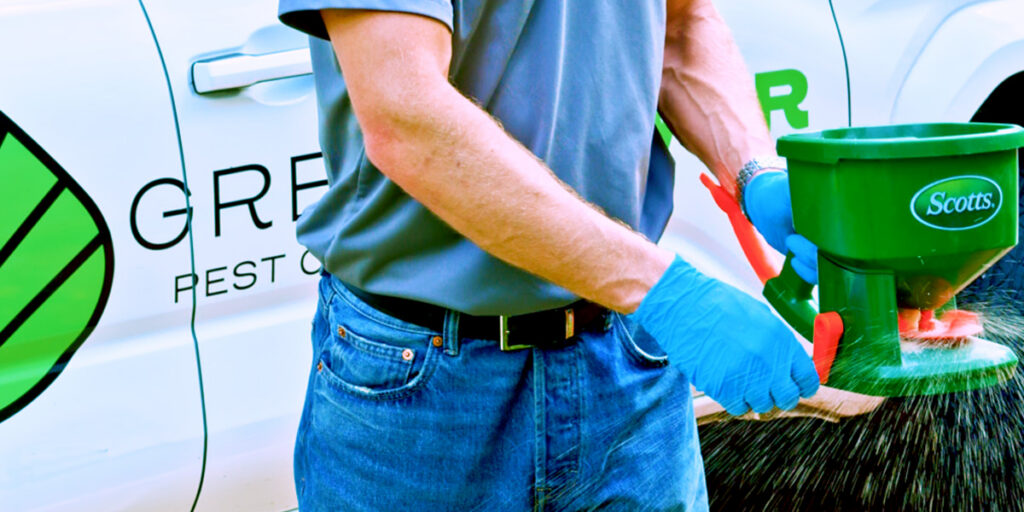
Bathrooms and Moisture
Roaches do not need a messy room to stay interested. Bathrooms, laundry rooms and utility areas can give them moisture, warmth and small hiding places. A slow drip under the vanity, condensation around pipes, a floor drain, or a gap behind the toilet can all help roaches stay hidden in places homeowners do not expect to find them.
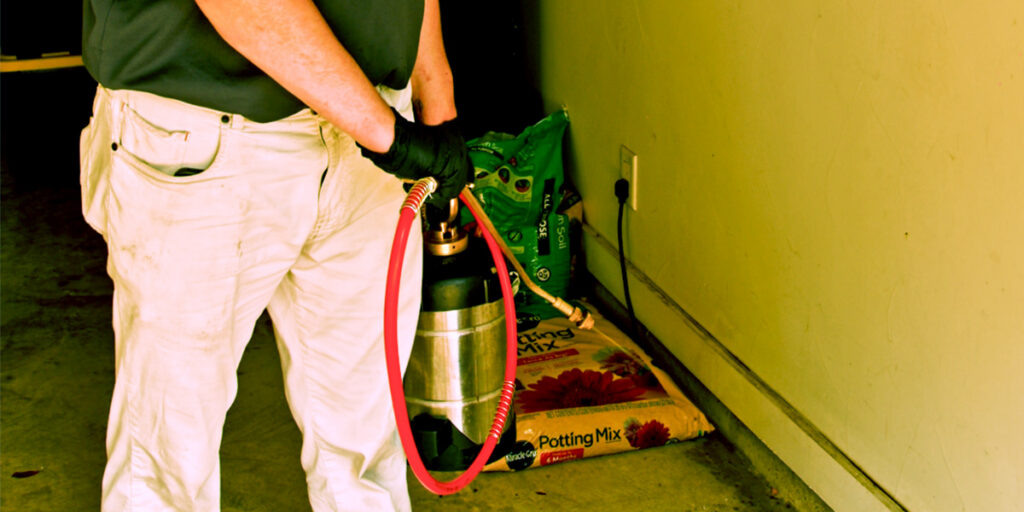
Cracks, Gaps and Hiding Spots
Roaches are built for tight spaces. They can disappear into cabinet seams, baseboard gaps, wall voids, pipe openings, appliance motors, storage boxes and the small spaces around trim or flooring. That is why a quick spray in the open does not do much if the areas they actually use are left alone.
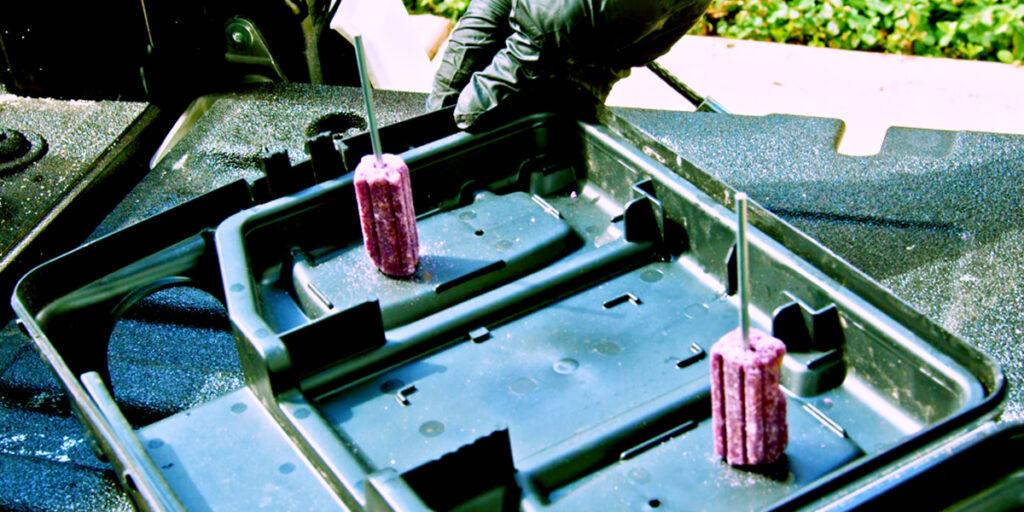
Garage and Exterior Activity
Roach activity can start outside or in the garage before it becomes a kitchen or bathroom problem. Trash bins, cardboard, leaf litter, mulch, utility openings and garage storage can all keep roaches close to the home. If those areas are ignored, roaches can keep finding ways back toward the rooms where nobody wants to see them.
Helpful Things Before You Book
Common Roach Questions
Why am I seeing roaches if my house is clean?
A clean house can still have roach activity. Roaches may be finding moisture, warmth, small food residue, cardboard, drains, exterior openings, or hiding spots around appliances and plumbing. Cleanliness helps, but it does not remove every reason roaches come inside.
Does seeing one roach mean there are more?
Not always, but it is worth taking seriously. Roaches are good at staying hidden, so the one you saw may be the only one that came out into the open. It can also be a sign that activity is building behind appliances, inside cabinets, near drains, in the garage, or around access points.
Why do roaches show up in kitchens and bathrooms?
Kitchens and bathrooms give roaches what they need most: food, water, warmth and places to hide. Sinks, drains, trash areas, cabinets, appliance gaps, plumbing openings and damp spots can all keep roaches active in those rooms.
Do you treat inside and outside for roaches?
Yes, when both areas need attention. Roach problems often involve indoor hiding spots and exterior access points at the same time. We look at where roaches are showing up inside, then check the garage, foundation, doors, utility openings and nearby exterior areas that may be helping them get close.
How often should roach control be done?
That depends on the home and the level of activity. Some roach issues need focused treatment first, while many homes benefit from routine pest control to help keep activity from rebuilding. Roaches respond to moisture, heat, access and food sources, so ongoing protection can matter a lot.
Care That Goes Further
Roach control has to pay attention to the places homeowners rarely see. Roaches do not need to stand in the open to be active. They may be behind the fridge, under the sink, inside a cabinet crack, near a drain, in a garage box, around a pipe gap, or moving in from outside. If those areas are missed, the roach you saw may disappear while the conditions that brought it there stay exactly the same.
Hiding Places
Reach the Spots Roaches Actually Use
Roaches spend a lot of time in tight, dark spaces. Cabinet seams, appliance gaps, baseboards, wall voids, pipe openings, storage boxes and areas behind large appliances can all give them cover. Treating those areas matters because that is where roaches usually stay until they are forced out.
Food and Water Sources
Take Away What Keeps Them Around
Roaches can stay active on very little. Grease under the stove, crumbs behind an appliance, residue near the trash can, pet food, water under a sink, a damp cabinet, or a slow drip can keep them around. The source does not have to be obvious. It just has to be available.
Drains and Plumbing Areas
Cover the Spots That Get Skipped
Drains and plumbing areas can be a bigger part of the problem than people realize. Bathroom sinks, kitchen plumbing, laundry areas, floor drains, toilet supply lines and pipe openings can all give roaches access to moisture and hiding spots. These areas need attention because they are easy to overlook during normal cleaning.
Exterior Access Points
Close the Gaps Before They Get In
Roaches can move in from the garage, foundation line, mulch beds, trash areas, door gaps, weep holes, utility openings and damp exterior spots. Roach control works better when those access points are part of the service, instead of only treating the room where one finally showed up.