
Keep Wasps Off the Porch
Wasp Control
No More Wasp Corners
For Nests, Eaves, Porches, and the Places Wasps Keep Building
Wasps are different because people do not usually wait around to see what happens. Once they are flying by the front door, gathering under the porch ceiling, building near the garage, or hanging around the pool gate, the concern is pretty simple. Nobody wants to get stung walking into the house, grilling dinner, taking out trash, mowing near the fence, or letting kids play outside.
Our wasp control service is built around the places wasps like to build and the areas where a nest creates the biggest problem. We look at eaves, overhangs, porch ceilings, patio covers, fences, sheds, playsets, garage areas and other protected spots around the home. The nest you see matters, but the bigger issue is whether wasps have found a spot close enough to daily life to make people start avoiding that part of the property.
Get A Quote today!
What Good Wasp Protection Looks Like
Beyond Knocking Down a Nest
Most wasp problems are not just about the nest itself. They are about where the nest is and how often people have to move near it. A small nest under a porch ceiling feels different than one in the far back corner of the yard. Wasp control has to pay attention to the places people walk, sit, work, park, grill and play, because location is what turns a nest into a real problem.

Eaves and Overhangs
Eaves, soffits, rooflines and overhangs give wasps protected places to build. Those areas are easy to miss until wasps start flying in and out of the same spot. Once activity is near a doorway, walkway, window, or garage, it becomes harder to ignore.
Porches & Entryways
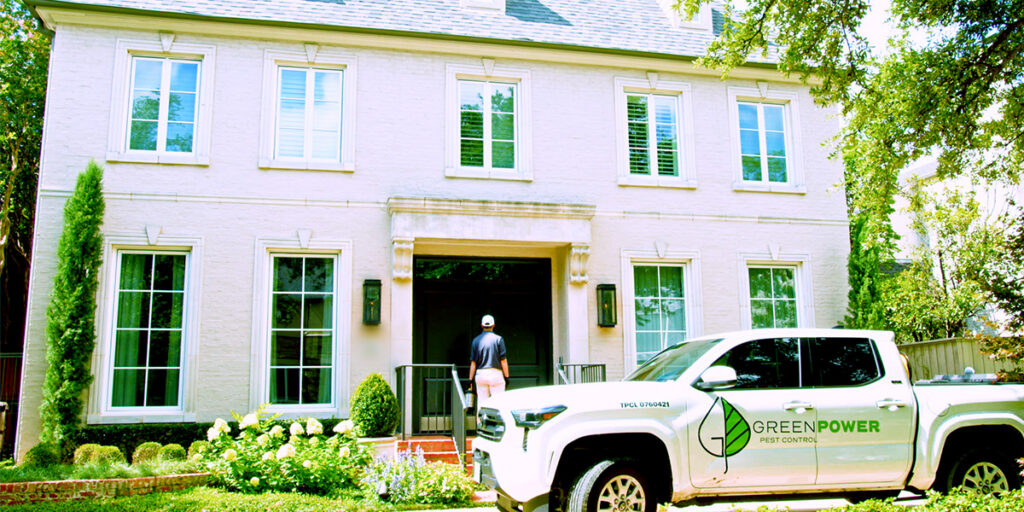
Wasps around porches and entryways make people watch every step. Front doors, back doors, patio doors, porch ceilings and columns can all give wasps places to attach a nest. That is a problem because these are not quiet corners of the property. These are the areas people use all day.

Patios, Pools,
and Play Areas
Wasps get more concerning when they are close to places people are trying to enjoy. Patio furniture, grill areas, pool gates, playsets, sheds and fence lines can all become problem spots. The goal is to make those areas easier to use without worrying about a wasp coming off the eave, fence, or chair arm every few minutes.
Hidden Nesting Spots
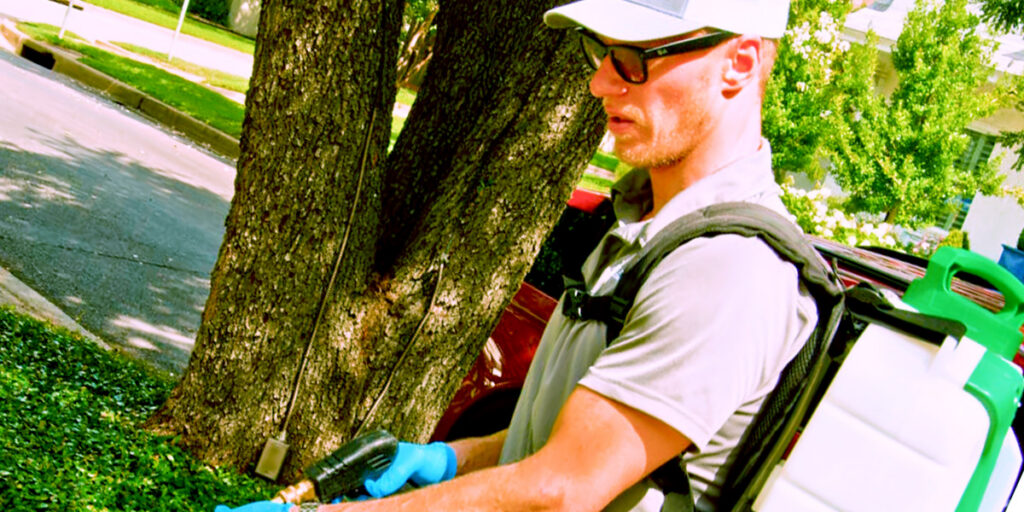
Not every wasp nest is hanging where it can be seen right away. Some activity may be tucked under deck boards, inside gaps, behind shutters, around sheds, in wall voids, under outdoor furniture, or in thick landscaping. Watching where wasps are flying can matter just as much as finding the nest itself.
Helpful Things Before You Book
Common Wasp Questions
Why do wasps keep building around my house?
Wasps look for protected places where a nest can stay out of direct weather and disturbance. Eaves, porch ceilings, patio covers, sheds, fences, playsets, rooflines and garage areas can all give them the kind of shelter they use.
Is it safe to knock down a wasp nest myself?
It depends on the size, location and activity level, but many homeowners do not want to risk it, especially when the nest is near a door, walkway, ladder area, pool, grill, or spot kids use. Disturbing a nest can make wasps defensive fast.
Why are wasps hanging around my patio or pool?
Wasps may be nesting nearby, hunting other insects, looking for water, or gathering around food and drinks. If they keep showing up in the same area, there is often a nest or resting spot close enough to keep activity steady.
Do you treat the nest and the surrounding area?
Yes, when needed. The nest is the main concern, but we also look at nearby eaves, patio covers, porch ceilings, fences, sheds and other protected areas where wasps may be building or likely to rebuild.
How often should wasp control be done?
That depends on the home and the amount of activity around the property. Some wasp issues need direct nest treatment, while homes with recurring activity around eaves, porches, sheds, fences, or patios may benefit from routine pest control during warmer months.
Care That Goes Further
Wasp control has to pay attention to how people actually use the property. A nest near the back fence may be one thing. A nest beside the front door, pool gate, garage, patio chair, grill, or playset is another. The service needs to focus on the places where wasps are building and the areas where that activity creates the most risk for everyday life.
Nest Locations
Find the Spots Where Nests Sit
The location of a nest matters. Under an eave. Above a doorway. Behind a shutter. On a fence. Inside a shed. Beneath patio furniture. Near the garage. These are the places where a wasp problem starts affecting how people move around the property.
High-Traffic Areas
Protect the Spaces People Use Daily
Wasps near high-traffic areas make the home feel harder to use. Front doors, back doors, walkways, trash areas, driveways, patios, pool gates and play areas need attention because people cannot simply avoid them all day.
Outdoor Structures
Check the Places Nests Hide
Sheds, pergolas, patio covers, playsets, fence rails, deck framing and porch ceilings can all give wasps protected places to build. These areas are worth checking because nests can sit there quietly until activity picks up.
Rebuilding Pressure
Stop Them From Coming Back
Wasps can come back when the same protected spots stay available. Rooflines, overhangs, shaded corners, sheds, fencing and outdoor living areas can all attract new activity through the season. Wasp control works better when those areas are part of the service, not when attention stops at the one nest someone happened to see.