
Protect the Places Pets Play
Tick Control
Treatment where ticks Hide
For Pets, People, Yard Edges, and the Places Ticks Wait
Ticks make people uneasy because they are not just annoying. They latch on. They come in on dogs, shoes, socks, pant legs and kids after playing outside. Someone finds one behind a knee, on a pet’s ear, crawling on the couch, or stuck to a child’s scalp, and suddenly the yard feels different. It is not the kind of pest people want to shrug off.
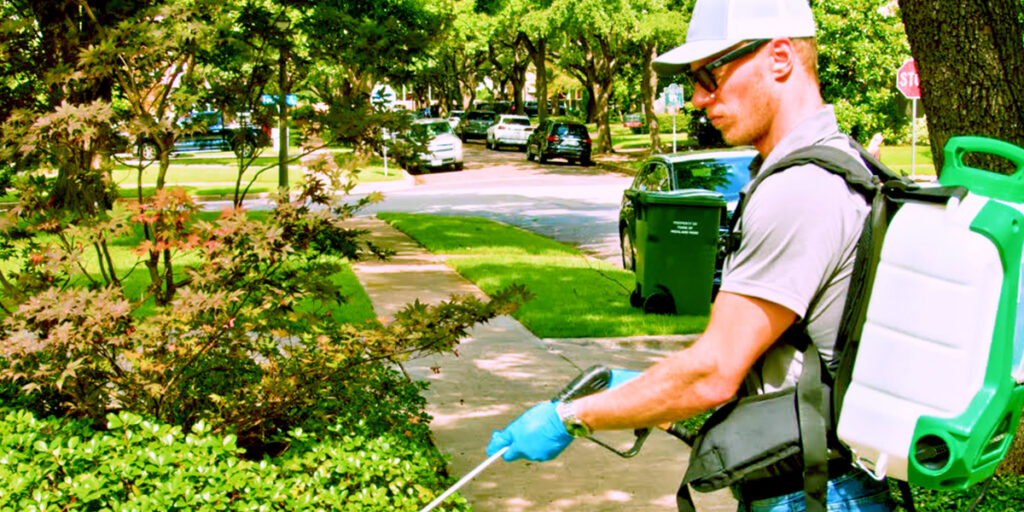
Our tick control service is built around the areas where ticks are most likely to wait for a host. We look at tall grass, fence lines, shaded yard edges, leaf litter, overgrown landscaping, pet areas, wooded borders and the parts of the property where people and pets move through regularly. The tick someone finds inside may be the part that gets noticed, but the real issue usually starts outside where ticks have cover, moisture and something to grab onto.
Get A Quote today!
What Good Tick Protection Looks Like
Beyond the Tick You Found
Most tick concerns start with one bad find. A tick on the dog. One on a child after playing outside. One crawling across the floor after yard work. But the tick itself does not explain where it came from. The activity may be sitting in tall grass, brush, leaf litter, shaded soil, along the fence, near a wooded edge, or in the path pets use every day. Tick control has to focus on those areas, not just the place where one finally showed up.

Pet Areas
and Yard Paths
Dogs and outdoor pets can pick up ticks from the same places they walk through every day. Fence lines, shaded runs, dog paths, areas near gates, tall grass, shrubs and spots where pets lie down can all matter. If those areas are active, pets can keep bringing ticks closer to the house.
Tall Grass and Overgrowth
Ticks do better in places that give them cover. Tall grass, weeds, brush, low branches, thick groundcover and overgrown edges can all create places where ticks wait. The open middle of the yard is usually not the main concern. The edges are where activity is more likely to sit.

Wooded Wildlife
Ticks often show up around properties where wildlife moves through. Fence lines, wooded borders, brush piles, shaded back corners and areas near deer, rodents, rabbits, or other animals can all help keep tick activity close to the home. Even a clean yard can have tick concerns if the edges of the property are getting regular wildlife traffic.

Outdoor Living Areas
Tick control should help make the parts of the yard people actually use feel safer and more comfortable. Playsets, patios, fire pits, garden paths, pool areas, seating spaces and the routes pets take in and out of the house all deserve attention. Nobody wants to check everyone for ticks every time they come back inside.
Helpful Things Before You Book
Common Tick Questions
Why am I finding ticks in my yard?
Ticks usually show up where they have cover, moisture and access to people, pets, or wildlife. Tall grass, wooded edges, shaded fence lines, leaf litter, brush, pet paths and wildlife traffic can all help keep them around the property.
Can ticks come inside on pets?
Yes. Pets can pick up ticks outside and bring them indoors on their fur, bedding, crates, or favorite resting spots. That is why tick control often needs to focus on the yard areas pets use most, not just the room where someone found one.
Do ticks only live in wooded areas?
No. Wooded areas can be a problem, but ticks can also be active along fence lines, tall grass, shrubs, landscaped areas, brush, leaf litter and shaded yard edges. They do not need a forest. They need a place to wait and a host moving through.
Do you treat the whole yard for ticks?
We focus on the areas where ticks are most likely to be active and where people and pets are most likely to pick them up. That often includes shaded edges, tall grass, pet areas, fence lines, wooded borders, brushy spots and outdoor living areas.
Do I still need to check my pets and family for ticks?
Yes. Tick service can reduce activity around the property, but it does not replace checking pets, kids, clothing and skin after time outside, especially after walking through tall grass, brush, wooded edges, or areas where wildlife may pass through.
Care That Goes Further
Tick control has to follow the way people and pets actually use the yard. The problem may not be the patio itself. It may be the shaded fence line next to it, the tall grass behind the playset, the brush near the dog run, the wooded edge behind the house, or the leaf litter where wildlife moves through. If those areas are missed, ticks can stay close enough to keep becoming an inside concern.
Yard Edges
Treat the Borders People Walk Past
Ticks are often found around the edges of a property. Fence lines, shaded borders, brush, tall grass, low branches and overgrown corners can all give them cover. These areas matter because people and pets brush past them without thinking much about it.
Pet Routes
Follow the Path the Dog Takes
The path a dog takes every day can be part of the problem. Along the fence. Through the side yard. Around the gate. Near shrubs. Under trees. If pets are walking through active areas, ticks can keep hitching a ride back toward the house.
Leaf Litter and Brush
Reach the Damp, Shaded Cover
Ticks can sit in leaf piles, brushy areas, groundcover and damp shaded spots where the yard does not dry out quickly. These areas do not always look like a major pest issue, but they can give ticks the protection they need to stay active.
Wooded or Wildlife Areas
Handle the Edges Where Wildlife Moves
Homes near wooded areas, greenbelts, fields, drainage corridors, or regular wildlife movement can see more tick activity around the property edge. Tick control works better when those border areas are part of the service, instead of only treating the open lawn where ticks are less likely to be waiting.