
For Shared Workspaces
Office Buidling
Pest Control Built for
Workspaces That Need to Feel Under Control
For Lobbies, Breakrooms, Restrooms and Shared Office Areas
Office pest problems have a way of feeling bigger than the pest itself. One roach in the breakroom, ants near the coffee bar, mosquitoes around the entry or rodent activity in a utility room can make employees, tenants and visitors start wondering what else is being missed. GreenPower helps office buildings focus on the places pests usually use first, including kitchens, restrooms, storage closets, landscaping, entryways, trash areas, parking garages and the small gaps around the building that do not get much attention until there is a complaint.
Get A Quote today!
The GreenPower Standard
Pest Control That Fits the Workday
Office buildings have their own kind of pest pressure. People eat at desks. Breakroom trash fills up. Cleaning crews work after hours. Tenants use shared spaces differently. Doors open all day. Landscaping and irrigation sit right outside the entry. GreenPower builds office pest control around the way the building actually runs, with service that looks at the complaint, the traffic patterns and the areas pests are using behind the scenes.
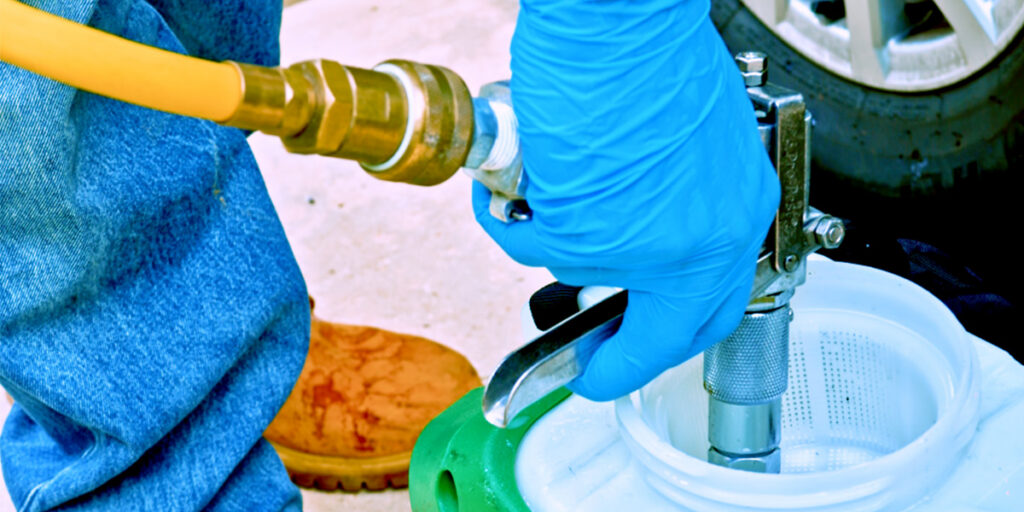
Find the Source Behind the Sighting
An ant trail near the sink or a roach in the restroom may point to moisture, trash, food residue, utility gaps, exterior pressure or a shared space nearby. We look for what is feeding the activity.
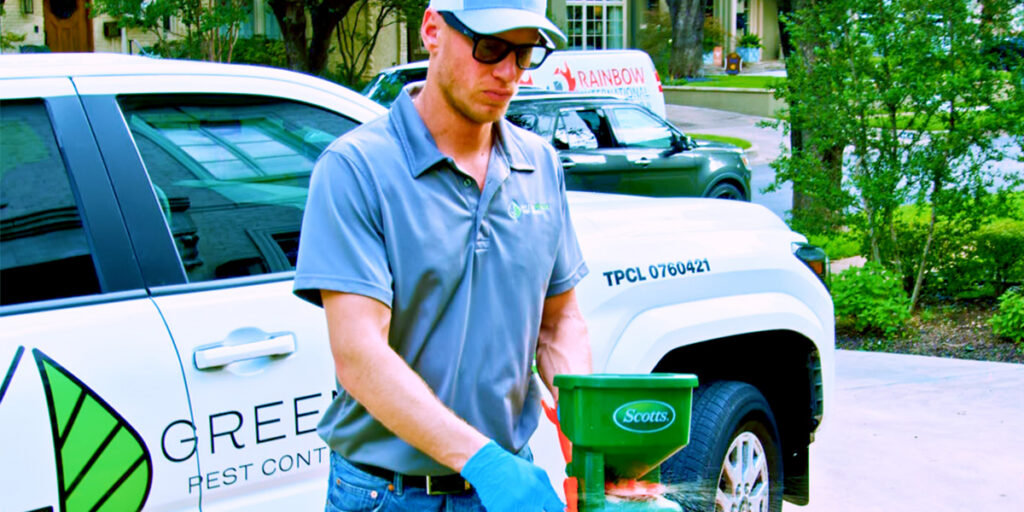
Work Around Office Hours
Pest control should not turn into the disruption everyone remembers. GreenPower looks at access, timing, tenant needs and sensitive areas so service can be planned around the building.

Protect Shared Spaces
Lobbies, breakrooms, conference rooms, restrooms and entries shape how people feel about the property. We focus on the areas where pest activity can affect comfort and confidence fast.
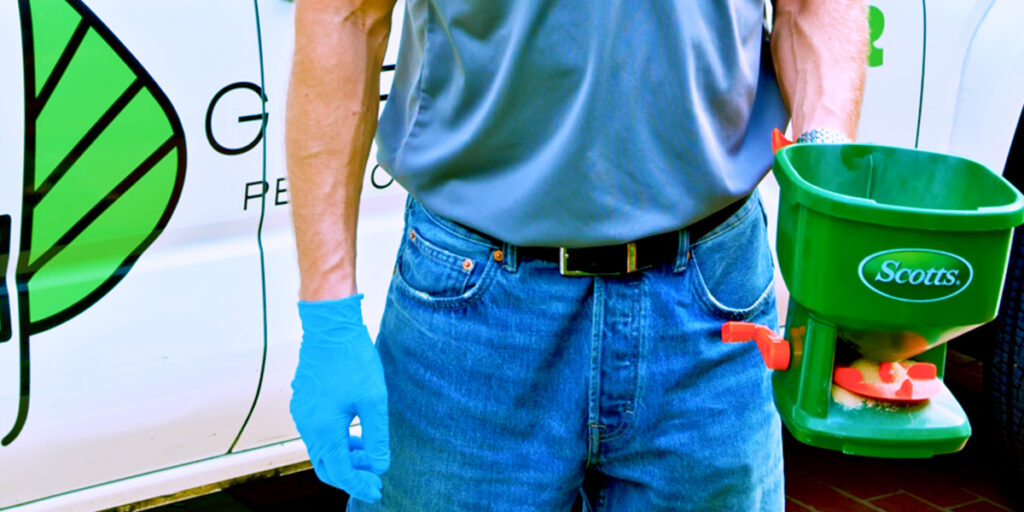
Watch the Repeat Areas
Office pest pressure often comes back around food, moisture, landscaping, trash rooms, storage areas and exterior doors. Our service helps keep attention on the places pests keep testing.
Built Around
Where Office Pest Problems Start
A pest issue in an office building may show up where people gather, but the source may be somewhere much quieter. It could be a damp cabinet under a breakroom sink, a trash area that stays busy, a utility closet, a planter near the entrance or a door gap that gives pests a steady way inside.
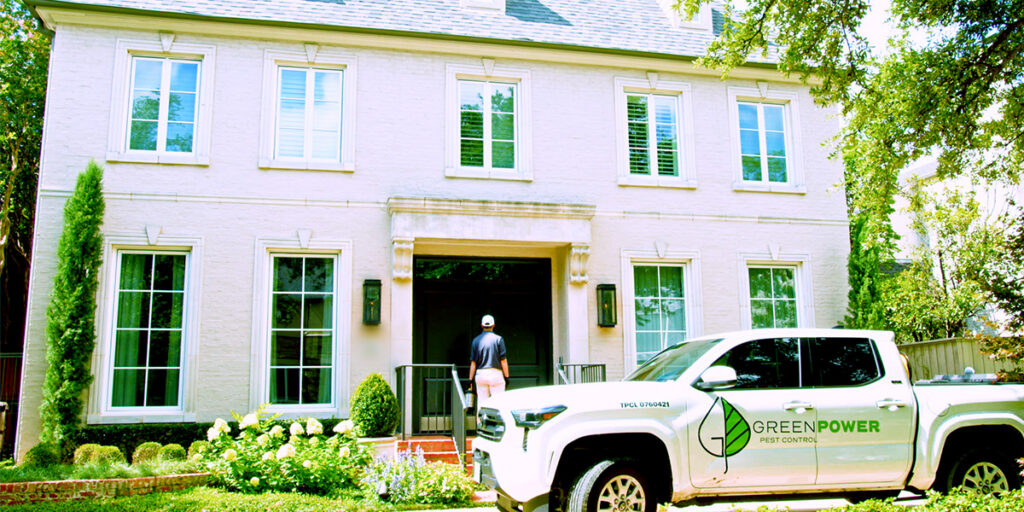
Breakrooms and Kitchens
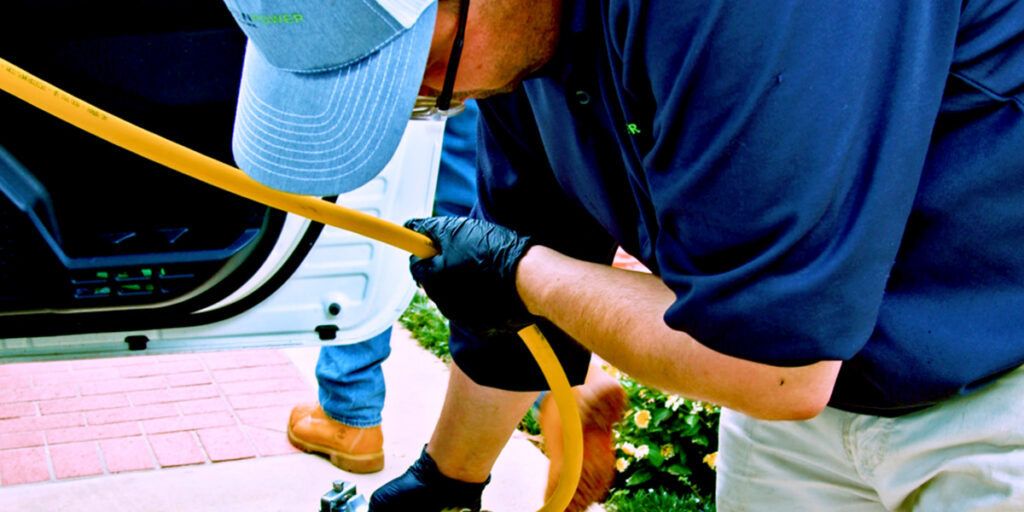
For coffee stations, sinks, microwaves, refrigerators, trash cans, cabinets and the crumbs or moisture that can keep ants, roaches and flies interested.
Lobbies and Shared Areas
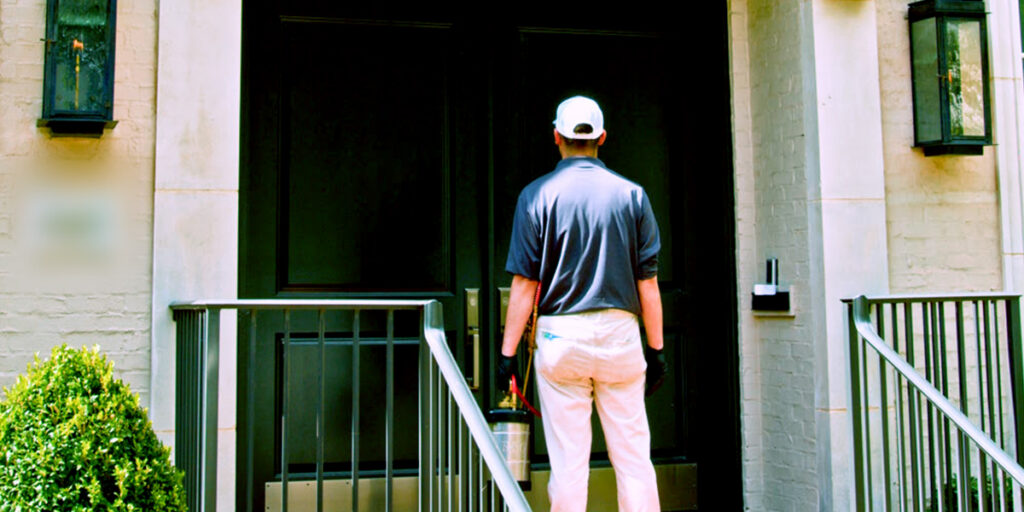
For entries, waiting areas, conference rooms, hallways and the spaces where tenants, visitors and employees notice problems first.
Restrooms and Utility Spaces
For drains, plumbing areas, janitorial closets, storage rooms and damp spots where pests can hide before anyone connects the pattern.
Exterior and Entry Pressure
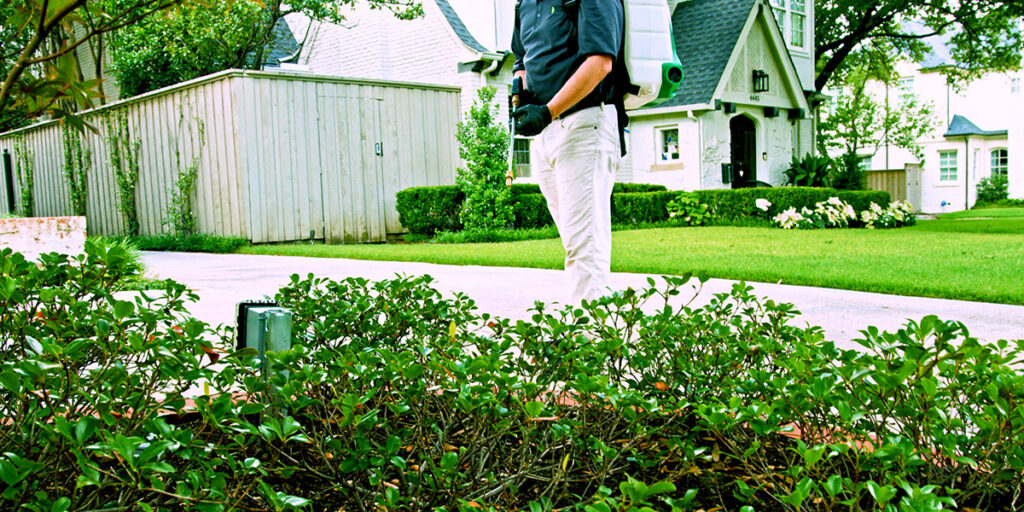
For landscaping, mulch beds, irrigation, lighting, parking areas, door gaps and shaded edges that can pull pests toward the building.
Helpful Things Before You Book
Common Questions
Do office buildings need regular pest control?
Yes. Office buildings often need ongoing pest control because food, trash, moisture, shared spaces, landscaping and daily foot traffic can keep pest pressure active.
What pests are common in office buildings?
Office buildings can deal with ants, roaches, rodents, flies, mosquitoes, spiders and other pests depending on the building layout, cleaning routines, exterior pressure and shared areas.
Why are ants showing up in our office breakroom?
Ants are often drawn to crumbs, spills, sinks, trash cans, coffee stations, wall gaps or exterior pressure near the building. Green Power looks for the trail and the reason it keeps returning.
Can GreenPower help with roaches in an office building?
Yes. GreenPower looks for moisture, food residue, drains, trash areas, storage spaces, wall gaps and other hiding places that may be keeping roaches active.
Can office pest control be scheduled after hours?
Green Power works to understand access needs, tenant schedules and building operations so service can be planned with less disruption to the workday.
Do you treat lobbies, restrooms and breakrooms?
Yes, when treatment is needed and appropriate. Green Power looks at where pests are active, how the space is used and what treatment placement makes sense for the building.
Why do pests keep coming back in the same office area?
Repeat activity usually means there is still a route, moisture source, food source, exterior gap or shared-space issue keeping pests interested. Green Power looks for the condition behind the complaint.
Can you help property teams manage pest issues across multiple tenant spaces?
Yes. Green Power can help office property teams address pest pressure in tenant spaces, common areas, exterior zones and shared building systems with service that is easier to communicate and track.
Office Building Pest Control
By the time one person says something, other people may have already noticed. Maybe it was a trail of ants near the coffee maker. Maybe it was something moving in the restroom after lunch. Maybe it was mosquitoes around the entry every morning. A better plan pays attention to the places that create those complaints before they start circulating through the building.
Food, Trash and Shared Kitchens
Common Sources of Pest Pressure in Office Spaces
Breakrooms, coffee bars, desk snacks, refrigerator areas and trash cans can create pest pressure when small messes repeat day after day.
Moisture and Building Gaps
Conditions That Allow Pests to Hide and Return
Restrooms, janitorial closets, sinks, drains, utility lines and exterior gaps can give pests what they need to hide, travel and return.
Landscaping and Entry Points
What Draws Pests Closer to the Building
Mulch beds, irrigation, shrubs, lighting, parking areas and door gaps can pull pests close to the building before they show up inside.
Service Your Team Can Actually Communicate
Clear Reporting From Visit to Visit
GreenPower helps building teams understand what was found, what was treated and what may need attention next, so pest control feels like part of property care instead of another tenant complaint waiting to happen.