
For the Calls That Keep Coming
Property Management
Pest Control Built for
Properties People Have to Live With
For Tenant Complaints, Shared Walls, Trash Areas and Repeat Issues
Property managers rarely get the calm version of a pest complaint. They get the tenant who is embarrassed to have guests over, the resident who has already submitted two work orders, the parent worried about roaches in the kitchen or the leasing team trying to keep one issue from becoming the story everyone in the building hears. GreenPower helps managed properties look past the single sighting and into the places pest problems usually build, from shared walls and drains to dumpsters, breezeways, utility gaps, vacant units, garages and the exterior pressure around the property.
Get A Quote today!
The GreenPower Standard
Pest Control That Helps Everyone Breathe a Little
A pest problem at a managed property puts everyone in a tough spot. Tenants want it handled now. Managers need access, documentation and a plan that does not create more complaints. Maintenance teams are already stretched. GreenPower builds service around that reality, looking at the unit, the building and the surrounding conditions so pest control feels easier to explain and harder for pests to work around.
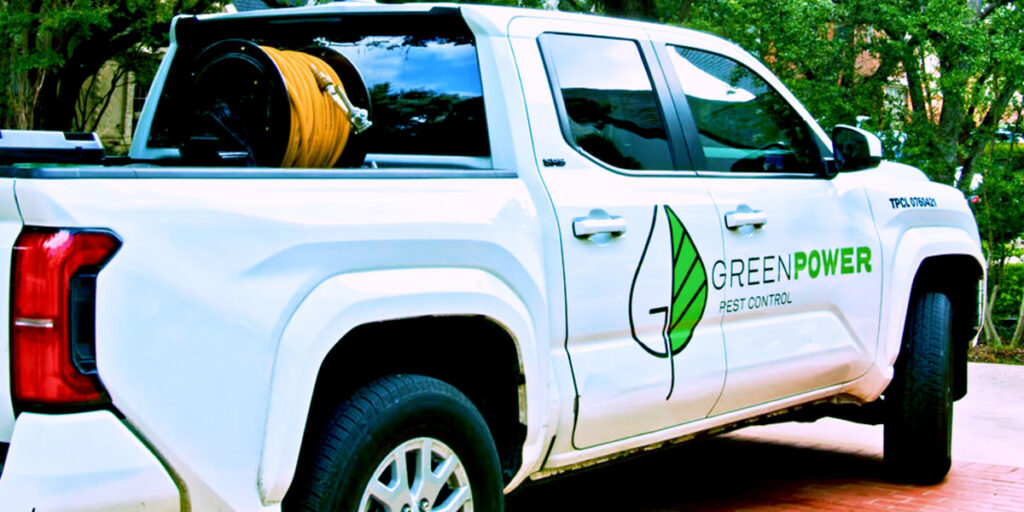
Find the Source Behind the Complaint
One tenant may be seeing pests in the kitchen, but the issue may be tied to a neighboring unit, shared wall, drain line, exterior gap, trash area or moisture problem nearby. We look for what is keeping the activity alive.
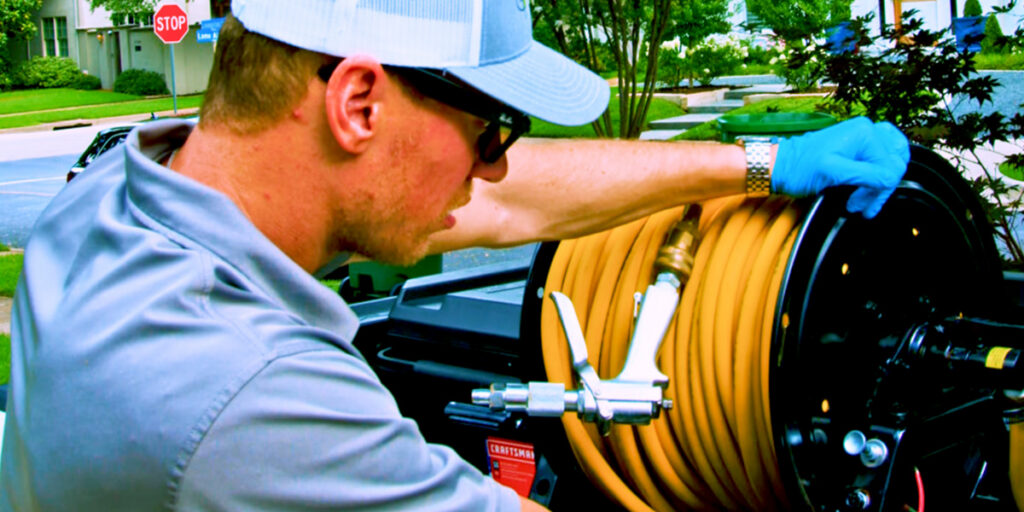
Work Around Real Access Issues
Occupied units, notice requirements, pets, tenant schedules and vacant spaces can all affect service. GreenPower helps make the process easier to coordinate without ignoring what the property actually needs.
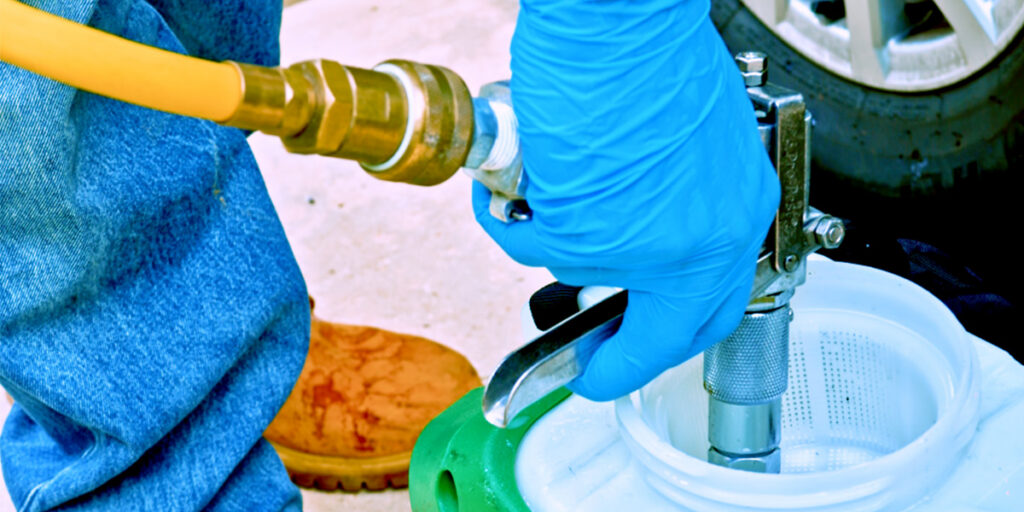
Protect Tenant Confidence
A pest complaint can change how a resident feels about the whole property. We focus on the areas that affect comfort, trust, renewals and the repeat calls nobody wants to keep getting.
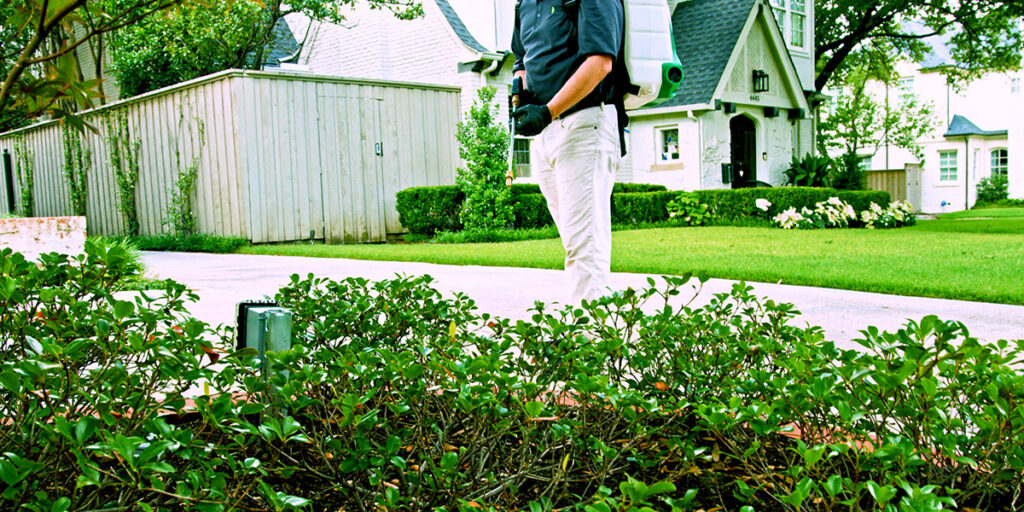
Watch the Repeat Zones
Managed properties often see pest pressure return around dumpsters, drains, landscaping, garages, breezeways and building gaps. Our service keeps attention on the places pests keep using.
Built Around
Where Managed Property Pest Problems Start
A pest issue in one unit is not always just one unit. Sometimes the problem is inside the walls. Sometimes it is outside by the trash. Sometimes it is a vacant unit, a damp cabinet, a utility chase or a gap nobody sees until residents start connecting the dots. Property management pest control has to look at the complaint and the property around it.
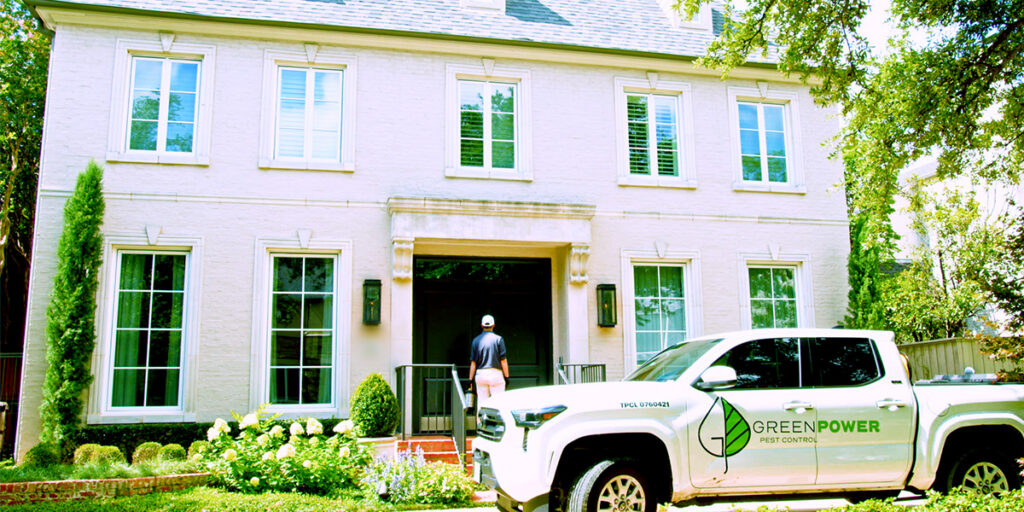
Tenant Units
For kitchens, bathrooms, laundry areas, baseboards, closets, garages and the spaces where residents usually notice pest activity first.
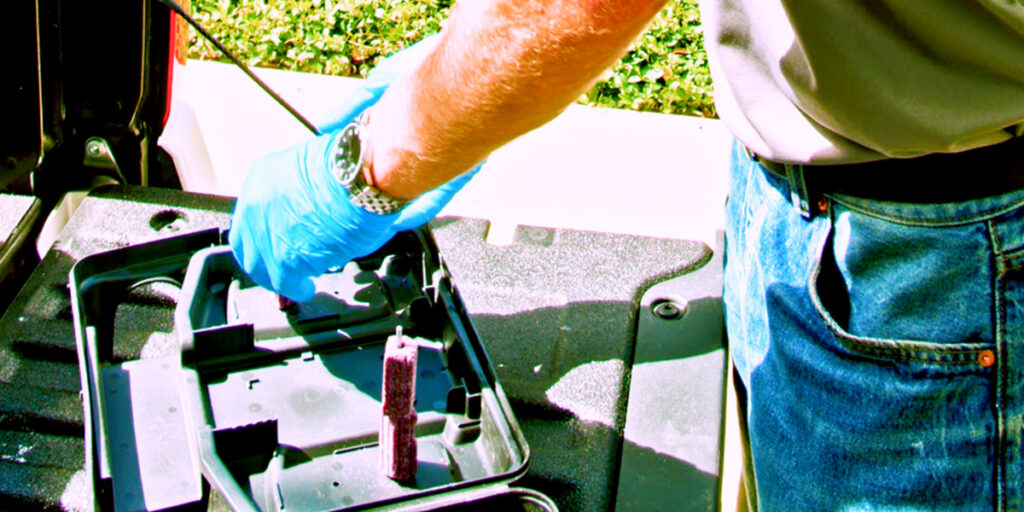
Common Areas
For breezeways, hallways, leasing offices, laundry rooms, mail areas, clubhouses, restrooms and shared spaces that shape how the property feels.
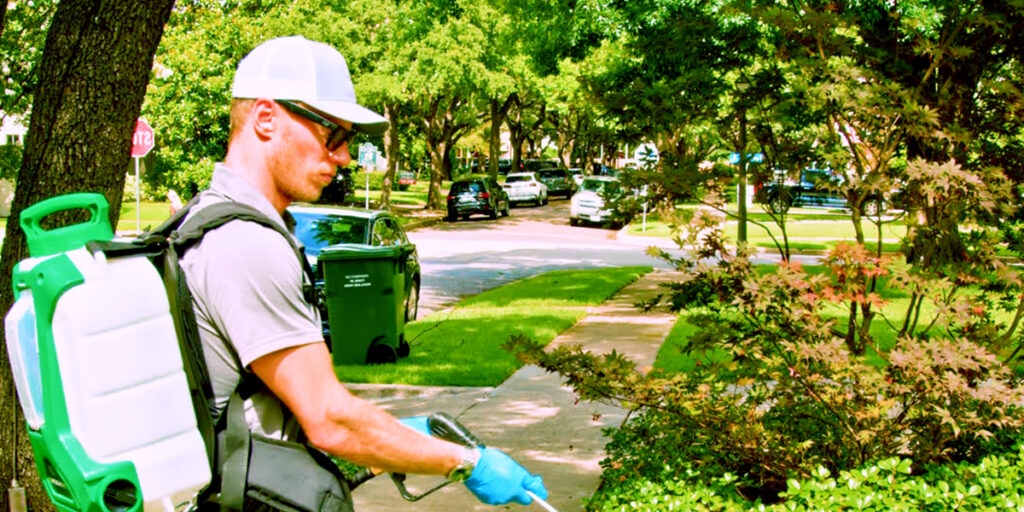
Exterior Pressure
For dumpsters, landscaping, fence lines, mulch beds, drains, irrigation, lighting and outdoor conditions that can pull pests toward the buildings.
Vacant and Turnover Spaces
For empty units, make-ready work, garages, storage areas and quiet spaces where pest activity can build before the next resident moves in.
Helpful Things Before You Book
Common Questions
Do managed properties need regular pest control?
Yes. Managed properties usually need ongoing pest control because tenants, shared walls, trash areas, drains, landscaping, moisture and common spaces can keep pest pressure moving.
Can GreenPower help with tenant pest complaints?
Yes. GreenPower helps property managers respond to tenant complaints by looking at the reported unit, nearby conditions and possible routes pests may be using between spaces.
What pests are common in apartments and managed properties?
Managed properties can deal with roaches, ants, rodents, spiders, mosquitoes, flies and other pests depending on the building, tenant habits, trash areas, drains, exterior pressure and nearby activity.
Why do pests keep coming back in the same unit?
Repeat activity may be tied to food sources, moisture, shared walls, neighboring units, plumbing lines, gaps or exterior pressure. Green Power looks for the condition behind the complaint, not just the last place a pest was seen.
Can you treat common areas and exterior spaces?
Yes. Green Power can help with pest pressure around breezeways, leasing offices, laundry rooms, clubhouses, dumpsters, landscaping, garages, fence lines and other shared areas.
Can service be coordinated around tenant schedules?
Green Power works with access needs, notice requirements and service timing so treatment can be coordinated with less disruption for residents and property teams.
Do vacant units need pest control?
They can. Vacant units, garages and turnover spaces may give pests quiet areas to hide, especially when moisture, food residue, trash, gaps or nearby activity are present before move-in.
How does pest control help property managers reduce repeat complaints?
A better plan looks beyond the single work order and focuses on the routes, moisture, trash areas, shared spaces, exterior conditions and building gaps that can keep pests moving through the property.
Property Management Pest Control
By the time a tenant sends the email, they may already be frustrated. Maybe they saw something in the kitchen at night. Maybe their child found it first. Maybe they are worried it came from next door. A better plan pays attention to the places that create those repeat complaints before another resident has to ask what is being done.
Shared Walls and Utility Routes
How Pests Move Through Multifamily Properties
Pests can move through wall voids, plumbing lines, laundry areas, utility gaps and neighboring spaces when the building gives them a path.
Trash, Drains and Common Use Areas
Conditions That Can Increase Pest Pressure
Dumpsters, drains, laundry rooms, offices, clubhouses and breezeways can all create pest pressure when food, moisture and daily traffic line up.
Landscaping and Building Edges
What Draws Pests Closer to Residential Buildings
Mulch beds, shrubs, irrigation, lighting, fence lines and foundation gaps can pull pests close to units before residents ever see them inside.
Service Your Team Can Actually Explain
Clear Communication for Residents and Staff
GreenPower helps property teams understand what was found, what was treated and what may need attention next, so pest control is easier to communicate instead of becoming another open-ended resident concern.