
Where Doors Stay Open
Warehouses
Pest Control for
Warehouses
With Too Many Openings
For Dock Doors, Inventory, Pallets and the Corners Nobody Checks First
A warehouse can give pests more chances than almost any other building. Dock doors stay open. Trucks back in. Pallets move around. Cardboard stacks up. Products sit in rows that may not get touched for weeks. One mouse in the wrong aisle or insects near inventory can turn into damaged goods, employee complaints, customer concerns or a mess nobody wants to explain. GreenPower helps warehouses focus on the places pest problems usually start, including dock doors, wall gaps, pallet areas, breakrooms, utility openings, exterior walls and the quiet corners that only get noticed after activity builds.
Get A Quote today!
The GreenPower Standard
Pest Control That Understands the Building Is Always Moving
Warehouse pest control has to account for constant motion. Forklifts run. Doors open. Shipments come in. Trash moves out. Employees use breakrooms. Exterior walls take heat, rain, gaps and wear. Pests do not need the whole building to be easy. They only need one route in, one sheltered area and enough time to settle. GreenPower looks at how pests are getting access, where activity could hide and what pressure points need attention before the problem reaches inventory or office areas.

Find the Entry Points
Warehouse pests often start at dock doors, service doors, utility lines, wall gaps, floor cracks and exterior edges. We look for the routes pests can use again and again.
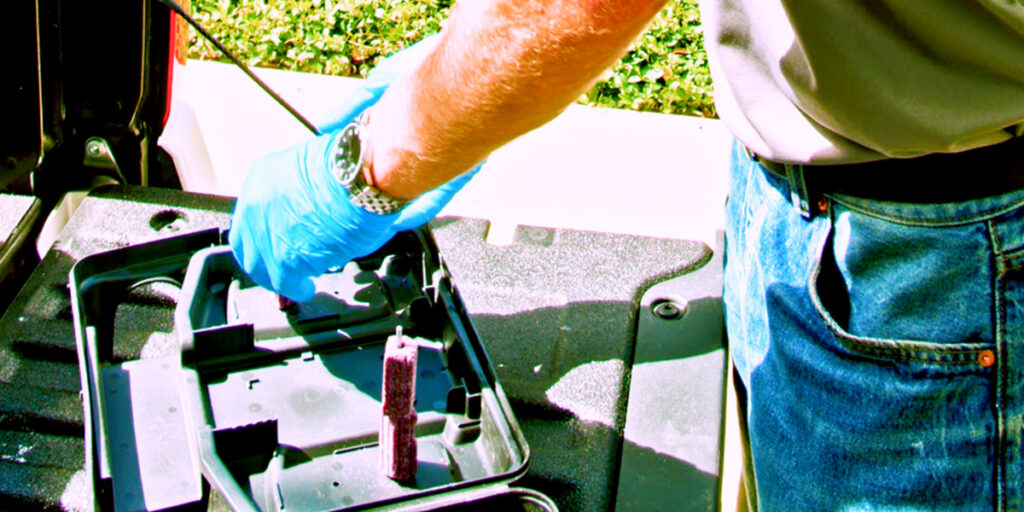
Work Around Operations
A warehouse cannot stop moving for pest control. GreenPower looks at access, timing, traffic patterns and sensitive storage areas so service fits the way the building runs.
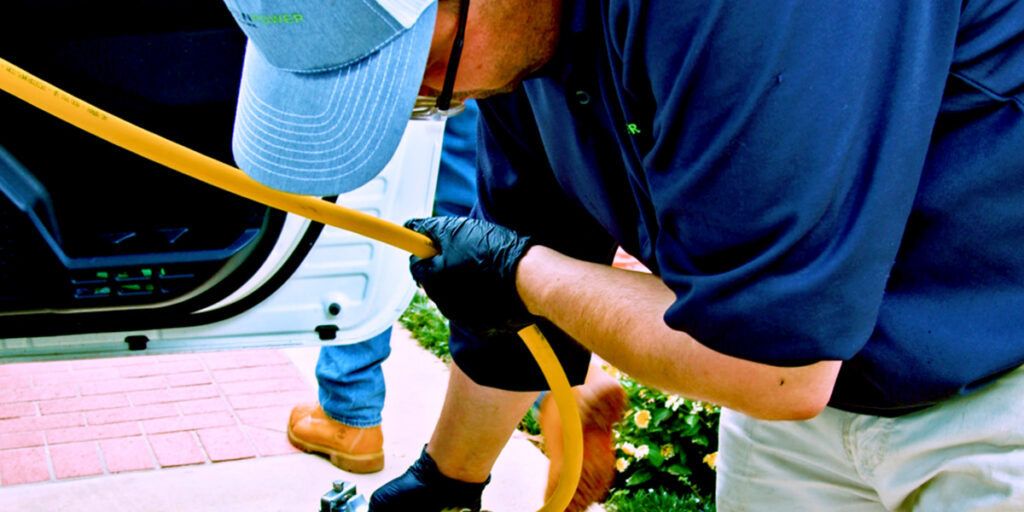
Protect Inventory and People
Rodents, roaches, ants and other pests can affect more than the building itself. We focus on the areas that matter to products, employees, vendors, inspections and customer confidence.

Watch the Repeat Zones
Pest pressure often comes back around docks, storage rows, trash areas, breakrooms and exterior walls. Our service is built to keep an eye on the places pests tend to reuse.
Built Around
Where Warehouse Pest Problems Start
The pest issue may show up near an office, a pallet rack or a damaged box, but the source may be somewhere else entirely. Warehouse pest control has to connect the dock, the storage floor, the exterior, the breakroom and the building gaps that pests use when nobody is watching.

Dock Doors and Receiving
For loading bays, roll-up doors, receiving areas, worn seals, delivery traffic and the openings pests use while goods move in and out.
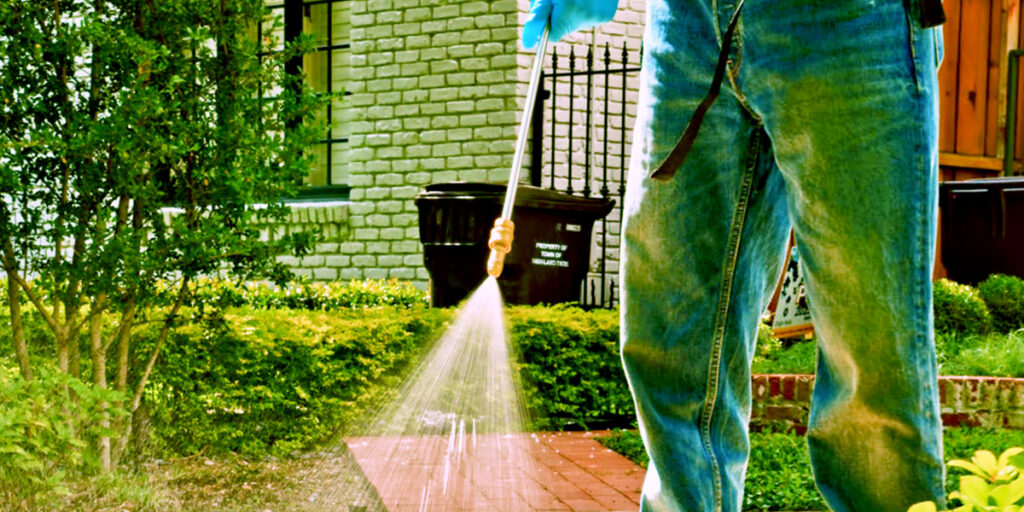
Inventory and Storage
For pallet racks, cardboard, long-term storage, product rows and the quiet spaces where rodents or insects can work unnoticed.
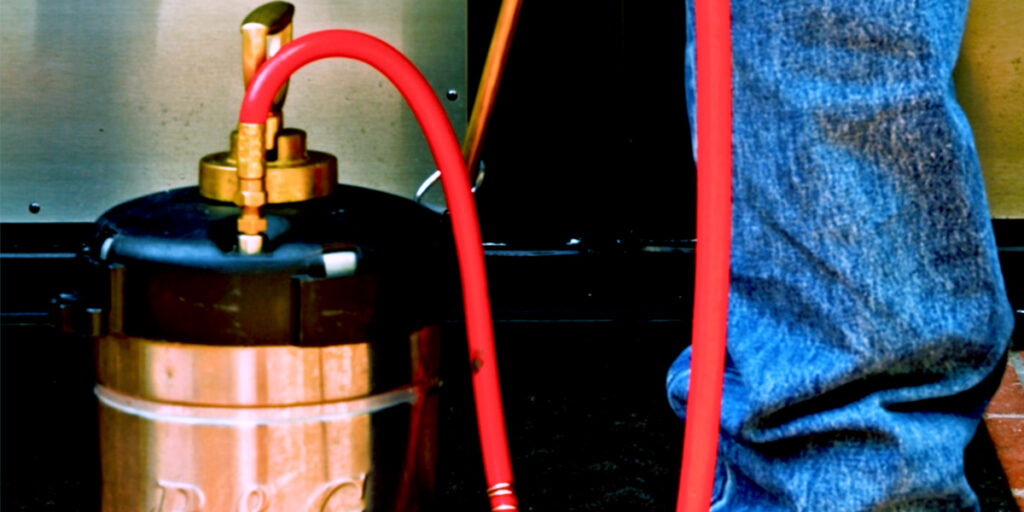
Breakrooms and Offices
For employee kitchens, trash cans, vending areas, restrooms, offices and shared spaces where food, crumbs and moisture can attract pests.
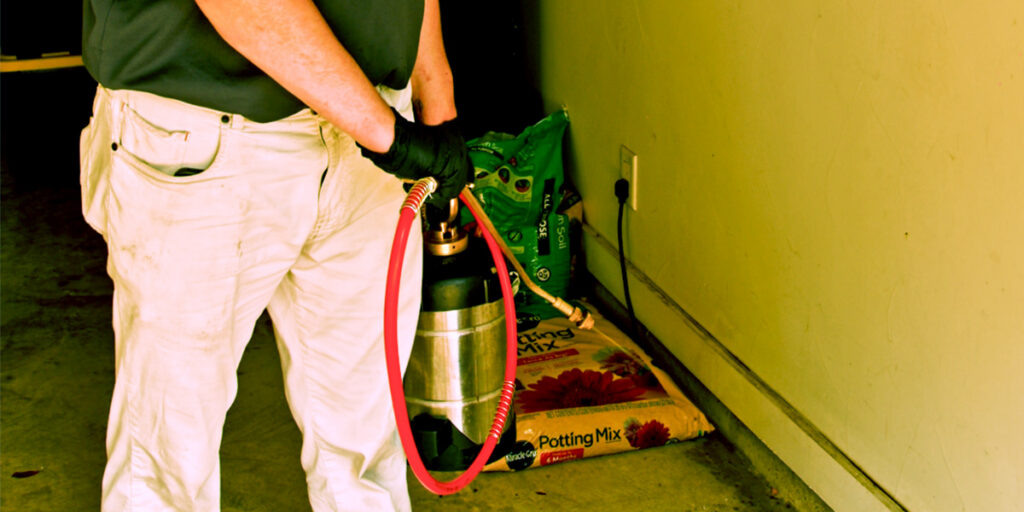
Exterior and Perimeter
For fence lines, dumpsters, landscaping, lighting, utility gaps, wall edges and the outdoor pressure that can push pests toward the building.
Helpful Things Before You Book
Common Questions
Do warehouses need regular pest control?
Yes. Warehouses often need ongoing pest control because dock doors, deliveries, storage areas, exterior gaps, employee spaces and trash movement can create steady pest pressure.
What pests are common in warehouses?
Warehouses can deal with rodents, roaches, ants, spiders, flies, mosquitoes and other pests depending on the building, inventory, nearby properties, storage conditions and exterior access points.
Why do pests get into warehouses?
Pests often enter through open dock doors, worn door seals, utility penetrations, wall gaps, floor cracks, receiving areas and exterior edges where shelter, food or moisture are available.
Can warehouse pest control be scheduled around operations?
Green Power works to understand your schedule, access needs and active work areas so service can be planned with less disruption to daily warehouse activity.
Can you treat around inventory and pallet storage?
Yes, when treatment is needed and appropriate. Green Power looks at where pests are active, how inventory is stored and what treatment placement makes sense for the building.
How can pest control help protect warehouse inventory?
A strong pest control plan helps reduce rodent, insect and exterior pest activity around storage areas, which can lower the risk of damaged packaging, contamination concerns and hidden activity near products.
What should a warehouse do before pest control service?
It helps to note where activity has been seen, keep key areas accessible and let us know about sensitive inventory, busy loading times, recurring issues or spaces that need extra care.
Warehouse Pest Control
By the time someone finds droppings, chewed packaging or insects near stored goods, the issue may already have a route through the building. The better plan is to watch the places pests use before the problem reaches the areas that cost money.
Dock Doors and Open Access
Common Entry Points Around Warehouse Operations
Roll-up doors, receiving bays, worn seals, service entrances and delivery traffic can give pests repeated opportunities to enter the building.
Pallets, Cardboard and Storage Rows
Areas That Can Support Ongoing Pest Activity
Stored goods, cardboard packaging, cluttered corners and low-traffic aisles can provide cover long enough for pest activity to build quietly over time.
Exterior Walls and Utility Gaps
Conditions That Draw Pests Closer to the Building
Landscaping, dumpsters, exterior lighting, fence lines, wall edges and utility penetrations can attract pests to the property before they find a way inside.
Service Your Team Can Actually Track
Clear Reporting From Visit to Visit
GreenPower helps warehouse teams understand what was found, what was treated and what may need attention next, so pest control becomes part of the property plan instead of a surprise problem.